Dessert Vanilla Sponge Cake
Highlighted under: Afternoon Tea
I absolutely love baking, and nothing warms my heart like a freshly made vanilla sponge cake. Its soft and airy texture complements a multitude of flavors, making it an ideal base for celebrations or simply a cozy afternoon treat. When whipped up well, a vanilla sponge cake becomes a delightful canvas for fruits, creams, or just a dusting of powdered sugar. I can guarantee that the aroma wafting through your kitchen will enchant everyone around you, drawing them in for a slice of pure bliss.
When I first attempted this vanilla sponge cake, I was amazed at how the simple ingredients transformed into a light and fluffy dessert. The trick lies in carefully folding in the beaten eggs to incorporate as much air as possible, which is key to achieving that spongy texture we all love. I paired this cake with fresh berries, and the contrasting flavors were phenomenal!
Another tip I discovered was to ensure all your ingredients are at room temperature before starting. This little step helps the cake batter to emulsify better, resulting in an even bake. The last time I made this cake, it was devoured at a barbecue—and trust me, there weren’t any leftovers!
Why You'll Love This Recipe
- Light and fluffy texture that's simply irresistible
- Versatile base for countless flavor combinations
- Ideal for any celebration or casual dessert
Perfecting Your Sponge Cake
Achieving the ideal light and airy texture in your vanilla sponge cake is all about the mixing technique. When whisking the eggs and sugar together, aim for a pale and fluffy mixture. This should take about 5-7 minutes of vigorous whisking. Incorporating as much air as possible during this stage is crucial, as it contributes to the cake's rise and texture. Use a hand mixer or stand mixer for best results, as they can achieve a volume that is difficult to reach by hand.
Another key to a successful sponge cake is the folding technique used when combining the dry ingredients with the wet mixture. Instead of stirring vigorously, gently fold in the flour, baking powder, and salt with a spatula. This approach helps to maintain the air you've whipped into the mixture without deflating it, ensuring a light texture. Stop when you no longer see dry flour; a few lumps in the batter are acceptable.
Ingredient Insights
The ingredients you choose play a significant role in the final outcome of your vanilla sponge cake. For instance, using room temperature eggs (about 70°F or 21°C) helps them incorporate more easily into the batter, contributing to a fluffier texture. If you forget to take them out of the fridge, simply place the eggs in a bowl of warm water for about 10 minutes before mixing.
Butter adds richness to the sponge cake, but using unsalted allows you better control over the final flavor. If you're looking for a dairy-free alternative, melted coconut oil can be an excellent substitute that also contributes a subtle tropical flavor. Additionally, feel free to play around with the vanilla; a high-quality extract or even vanilla bean paste can enhance the aromatic profile of your cake.
Serving and Storage
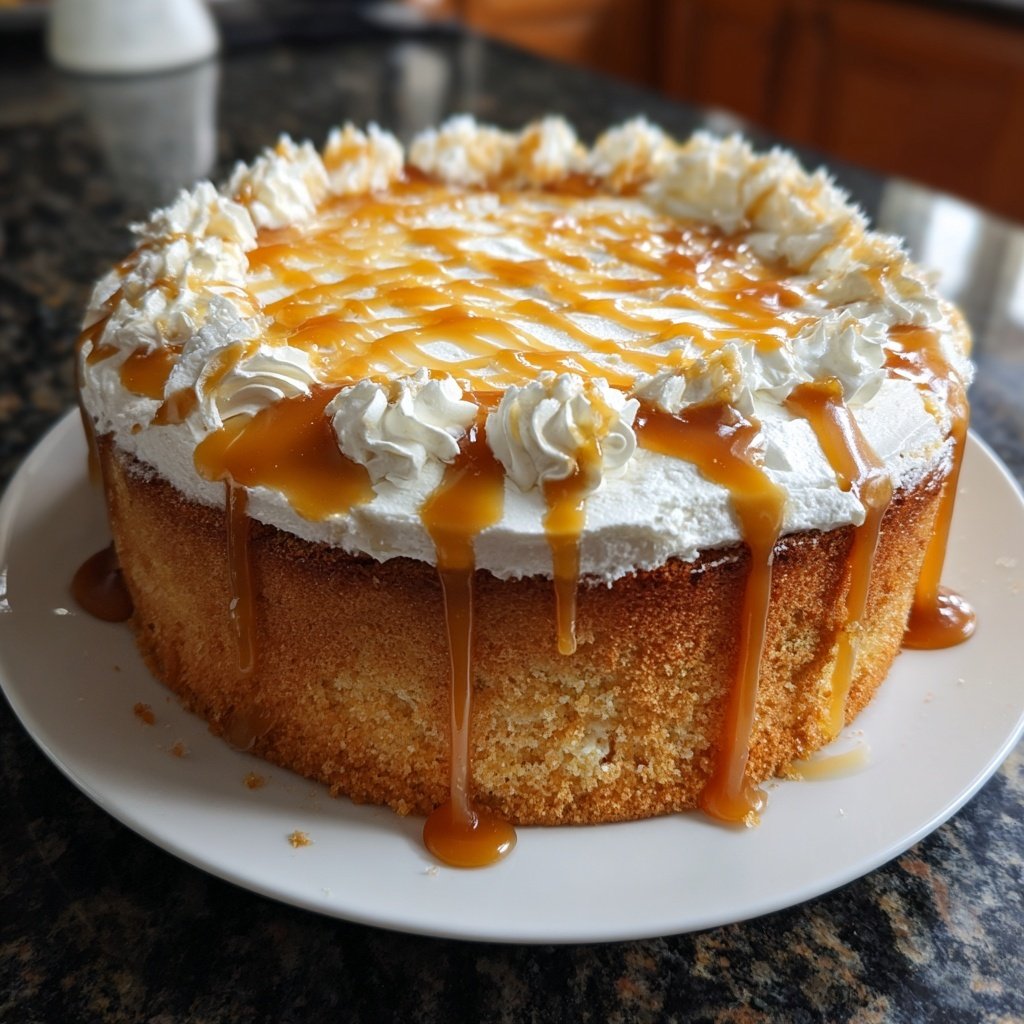
Once your vanilla sponge cake has cooled completely, it's ready for serving. I love to slice it into layers and fill it with whipped cream and fresh berries for a delightful treat. Alternatively, a simple dusting of powdered sugar can bring a touch of elegance to your dessert presentation. If you're hosting a gathering, consider frosting it with a light vanilla buttercream to elevate its appeal.
If you have leftovers, store them in an airtight container at room temperature to maintain moisture. The cake will stay fresh for about 2-3 days. For longer storage, wrap slices individually in plastic wrap and place them in a freezer-safe container. It can be frozen for up to three months—just let it thaw in the refrigerator overnight before serving.
Ingredients
Gather these simple ingredients to create a delightful vanilla sponge cake:
Ingredients
- 1 cup all-purpose flour
- 1 cup granulated sugar
- 4 large eggs
- 1/2 cup unsalted butter, melted
- 1 teaspoon vanilla extract
- 1 teaspoon baking powder
- 1/4 teaspoon salt
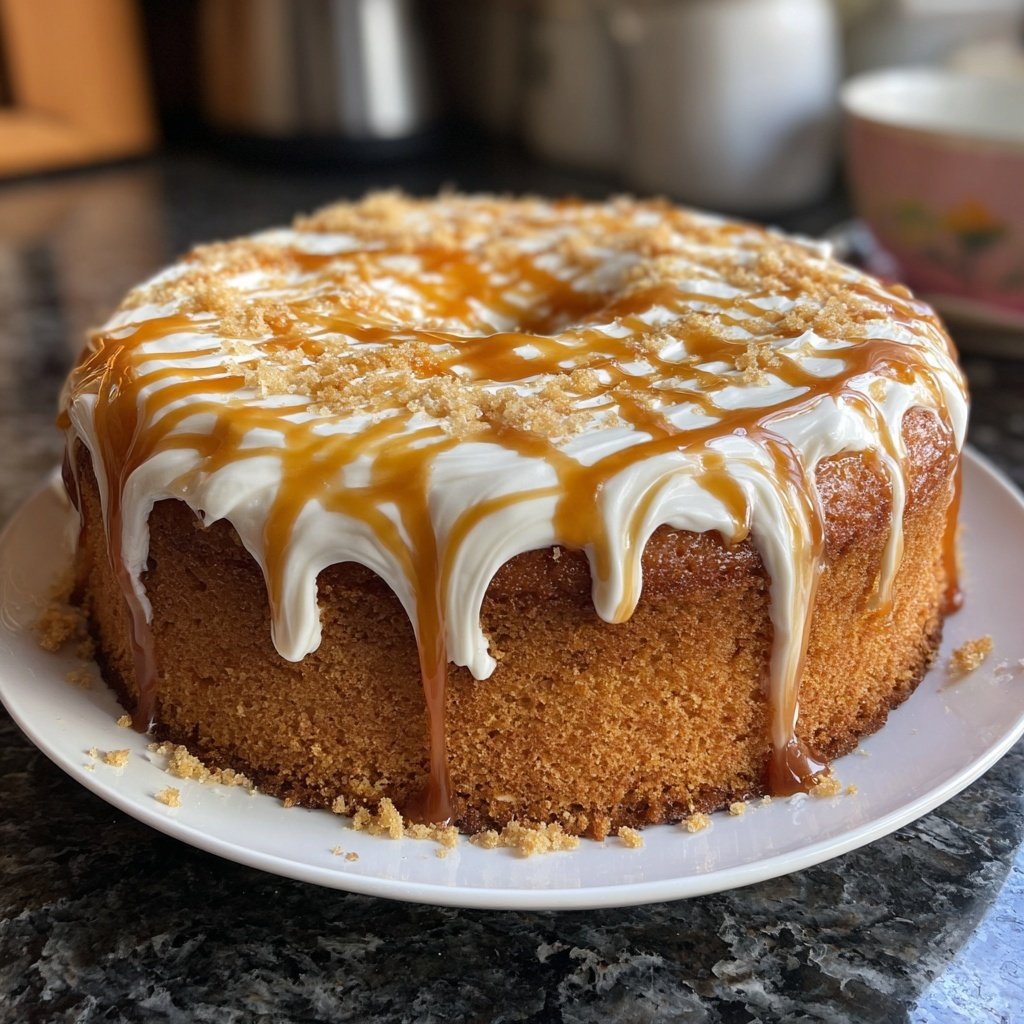
These ingredients come together to form a delightful sponge cake.
Instructions
Follow these steps to create a perfect vanilla sponge cake:
Preheat and Prepare
Preheat your oven to 350°F (175°C). Grease and flour a round 9-inch cake pan, ensuring an easy release after baking.
Mix the Wet Ingredients
In a large mixing bowl, whisk together the eggs and sugar until light and fluffy. Add the melted butter and vanilla extract, mixing well.
Combine Dry Ingredients
In another bowl, sift together the flour, baking powder, and salt.
Incorporate Dry Ingredients
Gently fold the dry mixture into the wet ingredients using a spatula, being careful not to deflate the batter.
Bake the Cake
Pour the batter into the prepared cake pan and smooth the top. Bake in the preheated oven for 25-30 minutes, or until a toothpick inserted into the center comes out clean.
Cool and Serve
Allow the cake to cool in the pan for 10 minutes, then turn it out onto a wire rack to cool completely before serving.
Enjoy your homemade vanilla sponge cake with your favorite toppings!
Pro Tips
- For an extra flavor boost, consider adding a hint of almond extract or zest from a lemon to the batter. This will elevate the taste and offer a delightful aroma.
Troubleshooting Common Issues
If your sponge cake domes excessively in the center during baking, it may be due to too much oven heat. This can be addressed by lowering the oven temperature by 25°F and checking for doneness earlier. Conversely, if your cake sinks in the center after baking, overmixing could be the culprit, or it may not have baked long enough. Make sure to use the toothpick method to verify doneness.
Sometimes, you might find that your cake has a dense texture, which can result from not incorporating enough air in the mixing process. Ensuring you whisk the eggs and sugar adequately until light and fluffy can help prevent this. If using a kitchen scale, keep in mind that precise measurements, especially for flour, can also affect the sponge's texture—fluffing it up properly before measuring is key.
Flavor Variations
While this vanilla sponge cake is a classic, feel free to experiment with flavors that suit your palate. Adding citrus zest, such as lemon or orange, can provide a zesty freshness to the cake. Likewise, infusing your batter with spices like cinnamon or nutmeg gives a warm undertone. Remember to balance the added ingredients with the moisture content to avoid impacting the cake's texture.
You might also consider replacing part of the all-purpose flour with almond flour for a nuttier flavor profile and moist crumb. This variation adds a distinct taste but may alter the cake's structure, so it’s best to limit added almond flour to about one-third of the total flour called for in the recipe.
Questions About Recipes
→ Can I substitute the flour?
Yes, you can use cake flour for an even lighter texture, but keep in mind it may alter the final result.
→ How should I store the cake?
Store in an airtight container at room temperature for up to three days, or refrigerate for up to a week.
→ Can I freeze the sponge cake?
Absolutely! Wrap it tightly in plastic wrap and freeze for up to three months. Thaw in the fridge overnight before serving.
→ What can I use as toppings?
Fresh fruits, whipped cream, or a drizzle of chocolate ganache make fantastic toppings for this sponge cake.
Dessert Vanilla Sponge Cake
Created by: The Chefethanfoods Team
Recipe Type: Afternoon Tea
Skill Level: Beginner
Final Quantity: 8 servings
What You'll Need
Ingredients
- 1 cup all-purpose flour
- 1 cup granulated sugar
- 4 large eggs
- 1/2 cup unsalted butter, melted
- 1 teaspoon vanilla extract
- 1 teaspoon baking powder
- 1/4 teaspoon salt
How-To Steps
Preheat your oven to 350°F (175°C). Grease and flour a round 9-inch cake pan, ensuring an easy release after baking.
In a large mixing bowl, whisk together the eggs and sugar until light and fluffy. Add the melted butter and vanilla extract, mixing well.
In another bowl, sift together the flour, baking powder, and salt.
Gently fold the dry mixture into the wet ingredients using a spatula, being careful not to deflate the batter.
Pour the batter into the prepared cake pan and smooth the top. Bake in the preheated oven for 25-30 minutes, or until a toothpick inserted into the center comes out clean.
Allow the cake to cool in the pan for 10 minutes, then turn it out onto a wire rack to cool completely before serving.
Extra Tips
- For an extra flavor boost, consider adding a hint of almond extract or zest from a lemon to the batter. This will elevate the taste and offer a delightful aroma.
Nutritional Breakdown (Per Serving)
- Calories: 250 kcal
- Total Fat: 10g
- Saturated Fat: 5g
- Cholesterol: 150mg
- Sodium: 130mg
- Total Carbohydrates: 38g
- Dietary Fiber: 1g
- Sugars: 20g
- Protein: 4g